
Posts

Posts Archive

Emilie Taylor-Brown

Dr Emilie Taylor-Brown to join the team

The Diseases of Modern Life project is very pleased to announce that Dr Emilie Taylor-Brown will be joining the team on Monday 24th October.
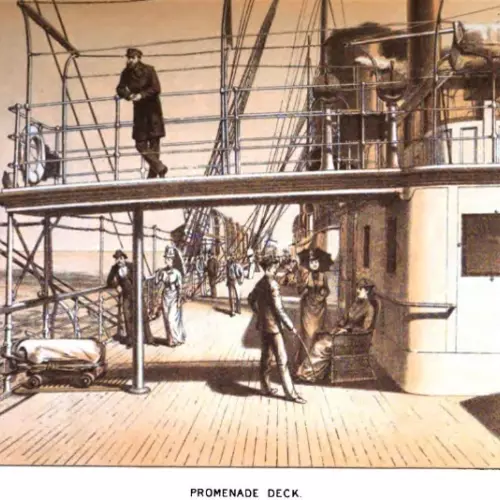
Promenade Deck

Nerve-Exhausted but not Insane: Therapeutic Travel for the Over-Taxed Brain Worker

This is a guest post by Dr. Jennifer S. Kain, a Junior Research Fellow at the Institute of Historical Research, University of London, and author of 'The Ne-er-do-well: Representing the Dysfunctional Migrant Mind, New Zealand 1850-1920'.
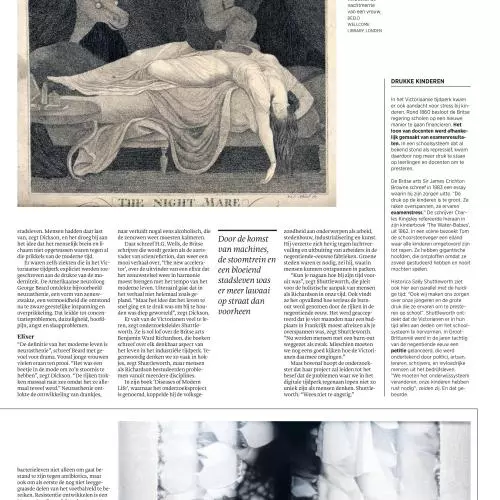
Screenshot of article from Dutch newspaper (2/2)

Diseases in the News: The Heavy Burden of a Modern Age

On 10th September 2016, the Diseases of Modern Life project was featured in the Dutch national newspaper Trouw.
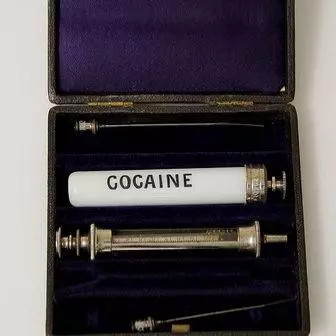
Cocaine syringe

Cocaine and Chloroform: Technologies of Pain and Progress in Victorian Medicine

This is a guest post by Dr Douglas Small, a Wellcome Trust Research Fellow in Literature and Medicine at the University of Glasgow and the author of 'Sherlock Holmes and Cocaine: A 7% Solution for Modern Professionalism'.
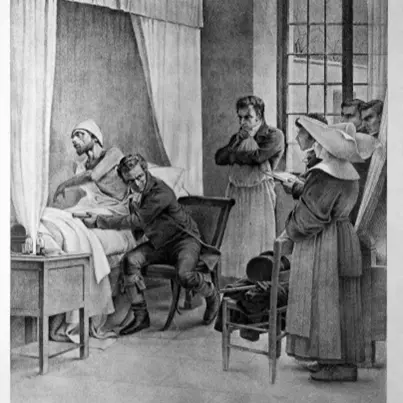
Laennec stethoscope

A Very Trump of Doom: How the Simple Stethoscope Transformed Medial Diagnosis

Dr Melissa Dickson's piece on the history of the stethoscope has been published on the Medium channel at The Oxford Research Centre in the Humanities.
Frame from the Living and the Dead

The Living and the Dead captures Victorian anxieties about science and the supernatural

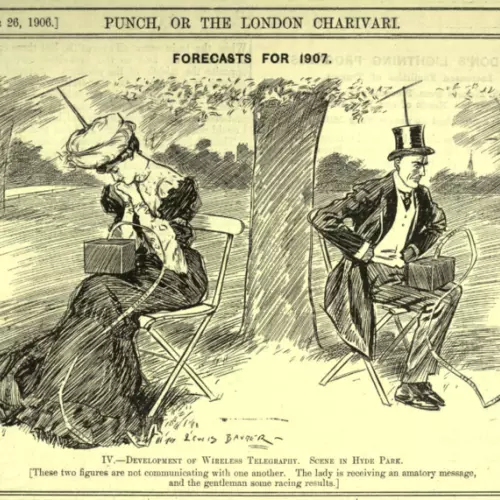
From telegraphs to television sets, new technologies have often been imagined as strange or magical in the popular consciousness.
image 20160609 7069 y51w83

The Victorians had the Same Concerns about Technology as We Do

We live, we are so often told, in an information age. It is an era obsessed with space, time and speed.
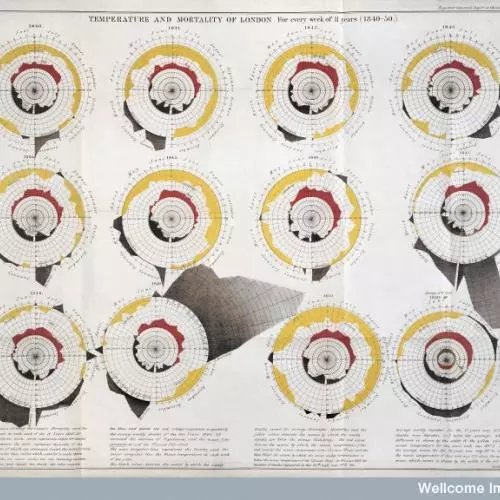
Temperature and mortality of London, 1840-50, from William Farr, Report on the mortality of cholera in England, 1848-49 (1852)

Stormy Weather and Human Barometers

In 1873, a speaker at the Royal Dublin Society declared that 'many persons are inclined to deny altogether the existence of a weather-science'.
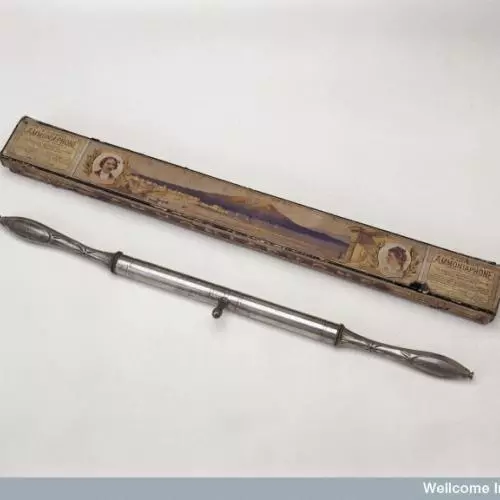
Ammoniaphone

Something in the Air?

I have never been able to help but scoff at the success of bottled water as a concept.
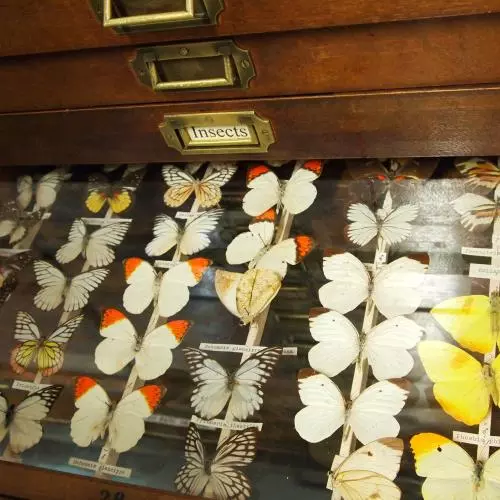
Drawer of insect speciments from Devon's Ilfracombe Museum

'British moths', 'Old wedding cake'. An unusual museum taxonomy.

In the nineteenth century, natural history was an increasingly popular pursuit. As our sister project Constructing Scientific Communities is exploring, the 1800s saw the growth of several specialist organisations and periodicals devoted to the field.
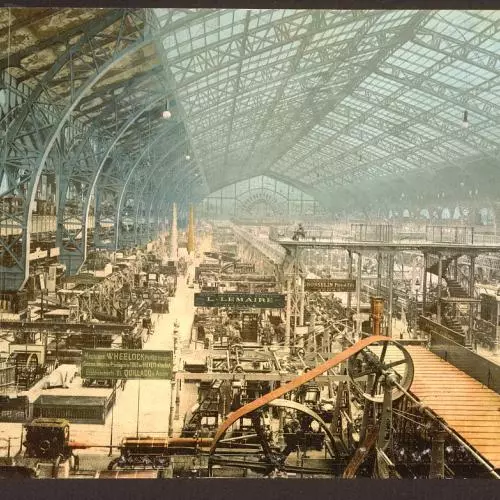
Machinery Gallery

Electric Stair-Climbers and Mobility in the Nineteenth Century

In his book on machines and modernity in India, historian David Arnold rightly points out that 'big technologies' like the telegraph and the railways have received more attention from scholars than smaller, 'everyday technologies'.
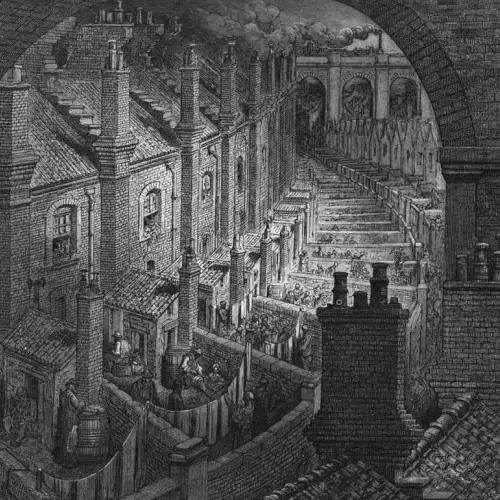
Engraving by Gustav Dore, Over London by Rail

Guest blog: The Tragedy of Amy Levy

Urbanisation increased dramatically during the mid-to-late 19th century, and modernity became synonymous with the swelling cities.
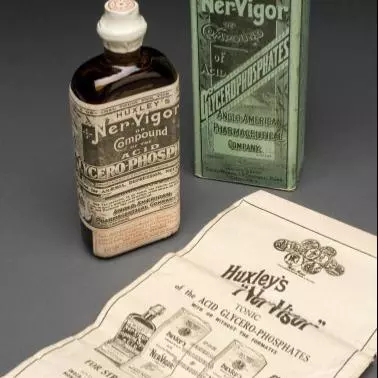
Photograph of 19thc nerve tonics

This is Your Brain on Speed

The Australian television series, The Weekly, recently ran an exposé on the putative benefits of the profusion of whey protein powders currently being marketed as bodybuilding aids.
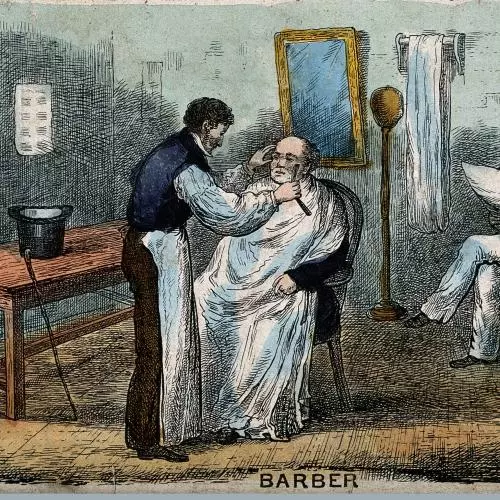
Barbershop cartoon

The Menace of the Barber Shop

In 1904 The Lancet considered the many risks to health posed by modern life. The collecting together of more and more people in the bustling spaces of the city was, they wrote, a perfect means of disseminating infection.
 Black Dog Institute logo

Who Let the Dogs Out?

The phrase "black dog", when it doesn't bring to mind Led Zeppelin IV, is usually associated with Winston Churchill, whose favoured term it was to refer to his depression.
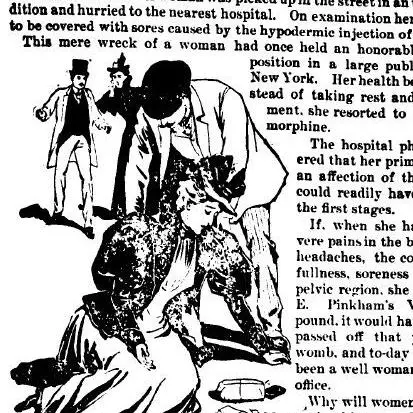
'Picked up on Broadway' article

Picked Up on Broadway

It seems appropriate to post my final addiction-themed post of the year on New Year's Eve.
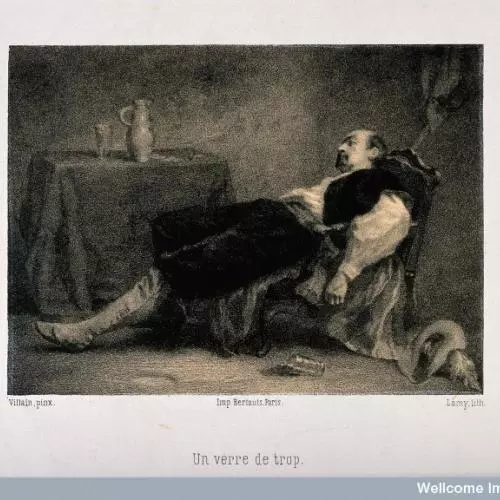
A man lies dead or unconscious in his chair, his last glass of drink fallen from his hand. Lithograph by Lamy, c. 1860, after Villain. Wellcome Library, London.

'Solitary midnight inebriates': Alcohol and the professional man

I've been doing a lot of work on lady secret drinkers recently (such as the eau de cologne tipplers I devoted a previous post to).
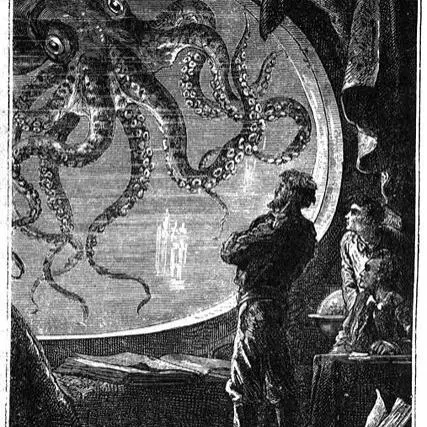
20000 leagues under sea

Requiem for a Cliché

One of the hallmarks of the sci-fi horror genre is its tendency to generate instant clichés.
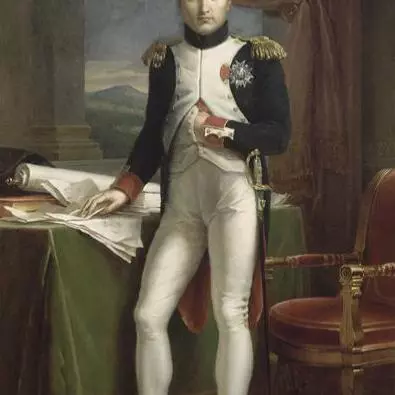
Napoleon I

Captivating Respiration: the 'Breathing Napoleon'

I've always felt uncomfortable around waxworks and dummies.
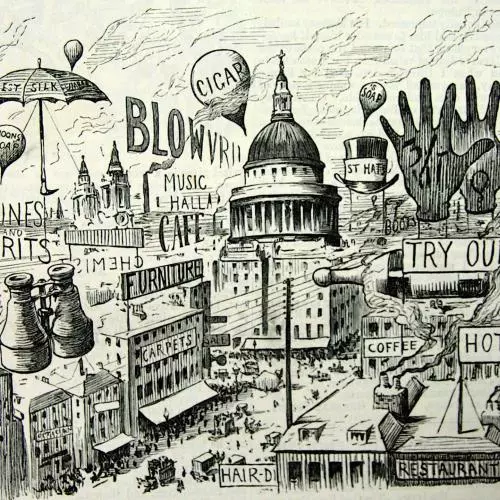
Punch image of advertisements in London

Call for Papers: Medicine and Modernity in the Long Nineteenth Century, 10-11 September 2016 at St Anne's College

CfP for Medicine and Modernity in the Long Nineteenth Century at St Anne's College, Oxford 10th - 11th September 2016
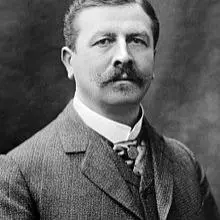
Joseph Babinski

Crackpot File Revisited

Regular readers of this blog might recall that I have a file in my desk that is the repository of all the half-baked pseudo-scientific crackpot ideas that I have come across in the course of my research and filed under 'C'.
TB screening of potential couples

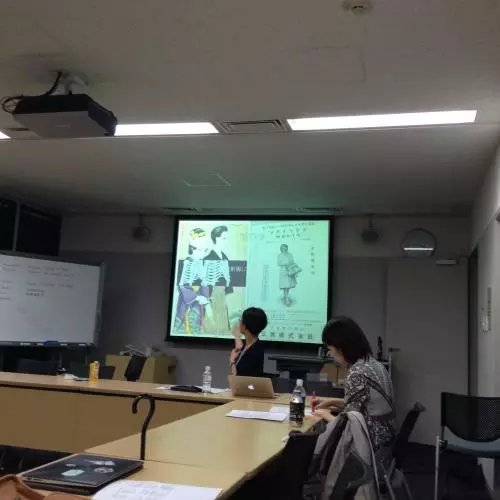
Report: Workshop on the History of Medicine, Society and the Body

On 17 September 2015, in the course of a research trip to Japan, I had the pleasure of joining Prof Akihito Suzuki and a number of early career researchers at Keio University.
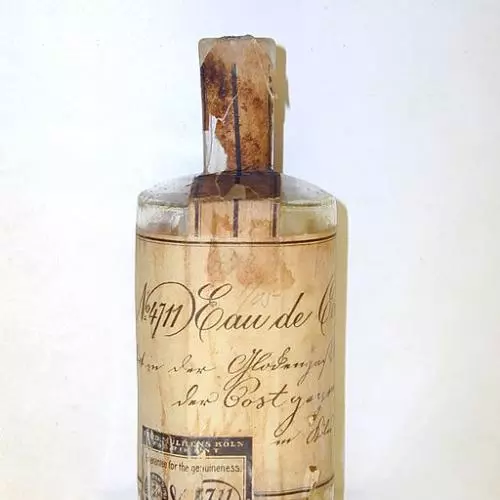
1885 molanus flasche

'Sweet oblivious antidotes'? Lady Perfume drinkers of the late 19th century

Laennec stethoscope

Be Still My Beating Heart

One frequently made observation about the nineteenth century is that it was marked by a number of breakthroughs in medicine and the sciences which revealed forces that shape humanity.