

Mind Boggling Medical History
How easy is it for people to tell the difference between what's current practice and what isn't in medicine? And why is it important to think about this?
Mind-Boggling Medical History is a fun and interactive game, designed to introduce medical history to non-academic audiences. The cards contain statements that players must sort into three categories: past, present, and fiction.
As well as informing, Mind-Boggling Medical History is designed to aid critical thinking about the role of history, and the difference between past and current medical theories and practices. We have designed the game so that it is especially suitable for museum visitors, nursing and tertiary healthcare students and Key Stage 3 and 4 school students.
The cards either can be purchased or printed out. The game is also available to play online, with an extra category available in this format.
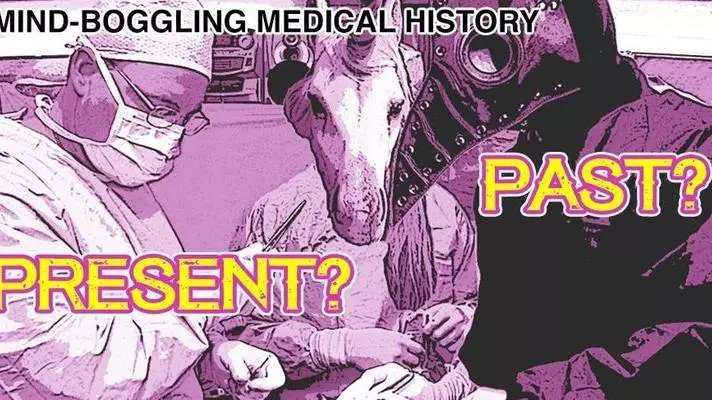


Mind Boggling Medical History
Visit the Mind-Boggling Medical History website to play and for more information.
On 10 July, 2019 the project was highly commended at the Vice-Chancellor's Public Engagement with Research Awards.