
Dr Amelia Bonea

Image
Amelia Bonea

Postdoctoral Research Assistant

Amelia Bonea is currently a Research Fellow at the Heidelberg Centre for Transcultural Studies, University of Heidelberg. She is a historian of modern South Asia and the British Empire, with degrees from the Universities of Tokyo (BLA and MA) and Heidelberg (PhD). Amelia works primarily at the intersections of media, science, technology and medicine. Her first book, The News of Empire: Telegraphy, Journalism, and the Politics of Reporting in Colonial India, c. 1830-1900, was published with Oxford University Press India in 2016 and received the 2017 Eugenia M. Palmegiano Prize for the best book on the history of journalism in any area of the world from the American Historical Association.

Her research for Diseases of Modern Life focused on occupational health in nineteenth-century Britain, the relationship between technologies of communication like the telegraph and telephone and medical practice, and print media and news values in colonial India. In collaboration with Pratham Books’ StoryWeaver, one of India’s biggest NGOs, she also produced an open-access children’s book about the history of telegraphy, which is now available in 8 languages.

Selected contributions
alongthelines

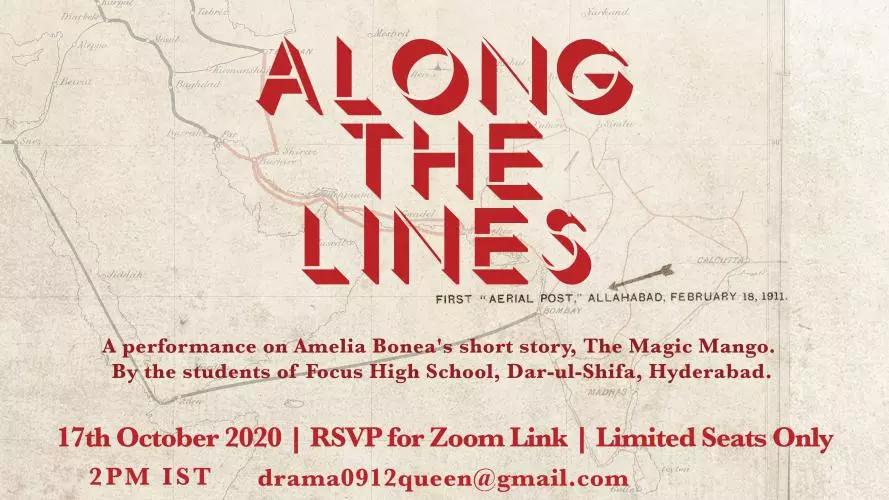
Along the Lines event and blog post

'Along The Lines' was an immersive, virtual workshop and performance that took place in September and October 2020.
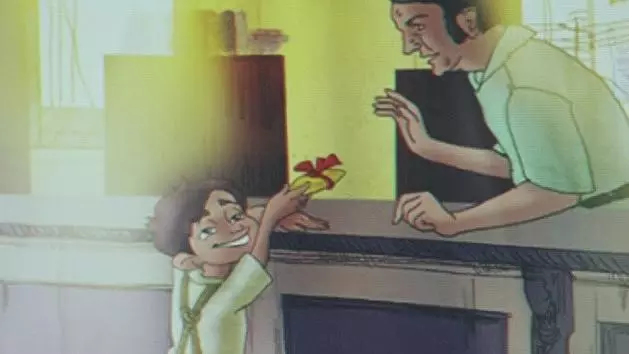
Cartoon of a boy trying to send a small wrapped gift through the telegram office

The Magic Mango

Amelia Bonea's story The Magic Mango, published by Pratham Books' StoryWeaver, is now available in 7 languages on the StoryWeaver website https://storyweaver.org.in/stories/27150-the-magic-mango
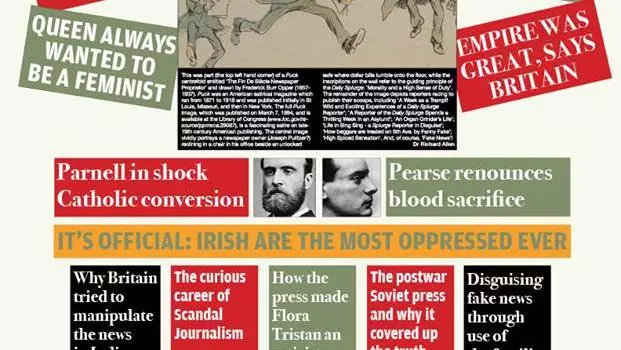
Poster for Fake News conference

'Fake News': Insights from the NPHFI's Tenth Annual Conference, Newcastle University, 10-11 November 2017

The Tenth Annual Conference of the Newspaper and Periodical History Forum of Ireland, held at the University of Newcastle on November 10-11, 2017, addressed a topic that no doubt resonates with many contemporary discussions.
Books open on a table

American Historical Association's The Eugenia M. Palmegiano Prize in the history of journalism awarded to Amelia Bonea

Amelia Bonea, Postdoctoral Research Assistants, has won the American Historical Association's The Eugenia M. Palmegiano Prize in the history of journalism.
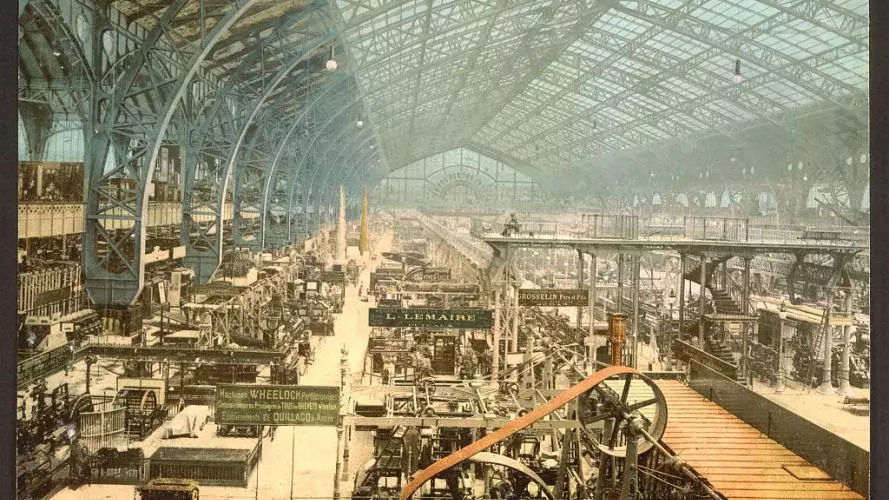
Machinery Gallery

Electric Stair-Climbers and Mobility in the Nineteenth Century

In his book on machines and modernity in India, historian David Arnold rightly points out that 'big technologies' like the telegraph and the railways have received more attention from scholars than smaller, 'everyday technologies'.
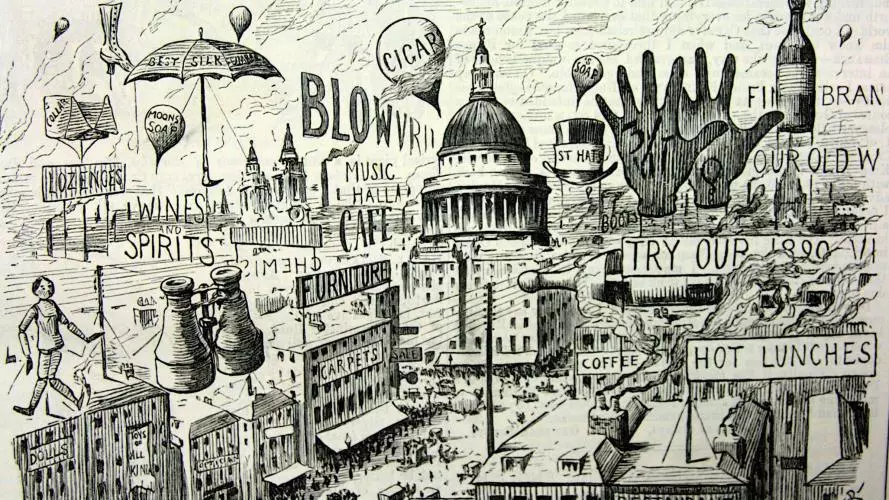
Punch image of advertisements in London

Call for Papers: Medicine and Modernity in the Long Nineteenth Century, 10-11 September 2016 at St Anne's College

CfP for Medicine and Modernity in the Long Nineteenth Century at St Anne's College, Oxford 10th - 11th September 2016
TB screening of potential couples

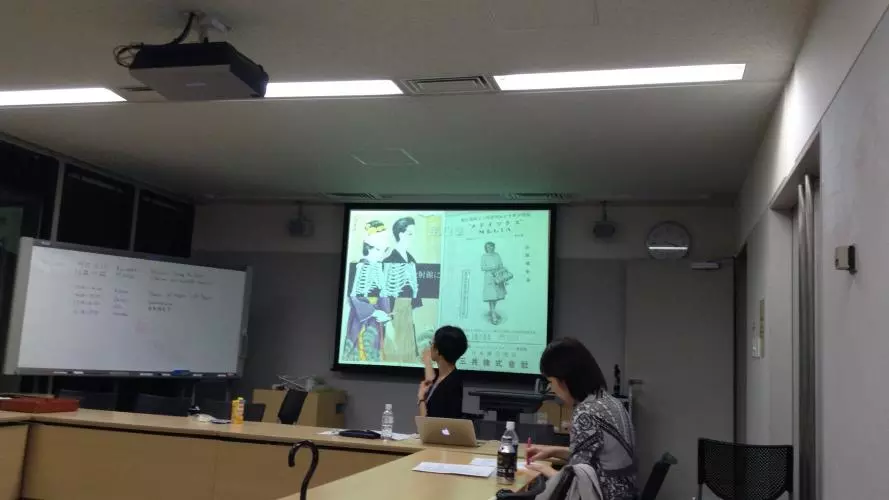
Report: Workshop on the History of Medicine, Society and the Body

On 17 September 2015, in the course of a research trip to Japan, I had the pleasure of joining Prof Akihito Suzuki and a number of early career researchers at Keio University.
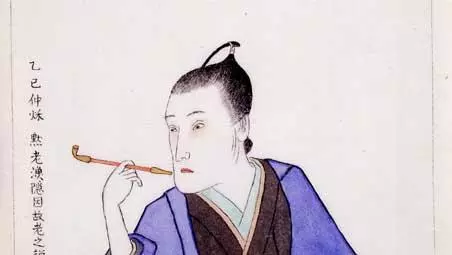
Portrait of Hiraga Gennai (Keio University Library, Mita Media Center)

An Early Episode in the History of Electrotherapy in Japan

A recent visit to the Museum of the History of Science in Oxford saw me lingering a little more than usual in front of the electricity and galvanism section.
Strauss Telegram

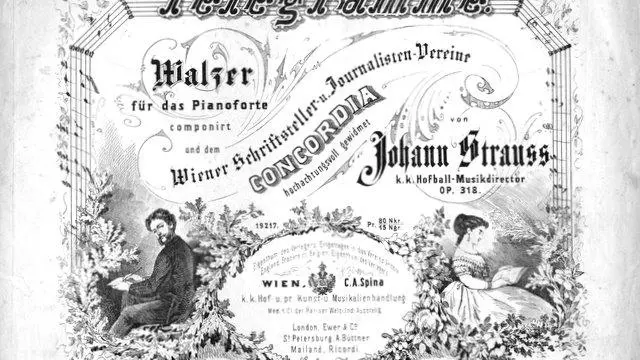
Telegraphs, Electromagnetic Polkas and the Vienna New Year's Day Concert

I remember being fascinated by the glittering chandeliers, the massive, colourful bouquets of flowers, the guests from all over the world sporting their traditional attires and, of course, the music.
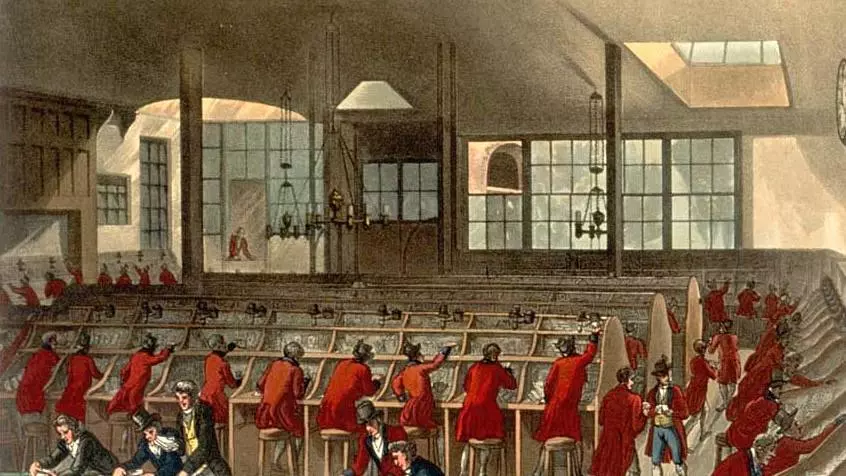
Illustrated picture of the Post Office

Reading the Victorian Press

Reading Victorian periodicals is one of the most important aspects of our work on the "Diseases of Modern Life" project.
Air bath from thomson Ben Rhydding The Asclepiad

"Ourselves"

Last weekend provided us with an exciting opportunity to introduce our research projects to a slightly different audience than the one we usually interact with: the ladies and gentlemen who participated in Meeting Minds.